By Cordy Brown, Science Correspondent
Published: April 20, 2025
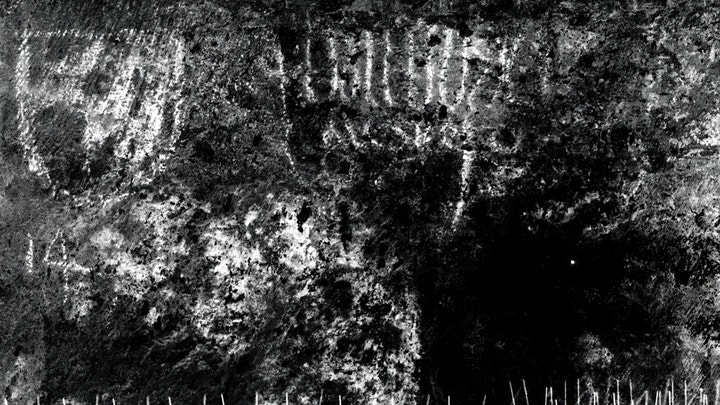
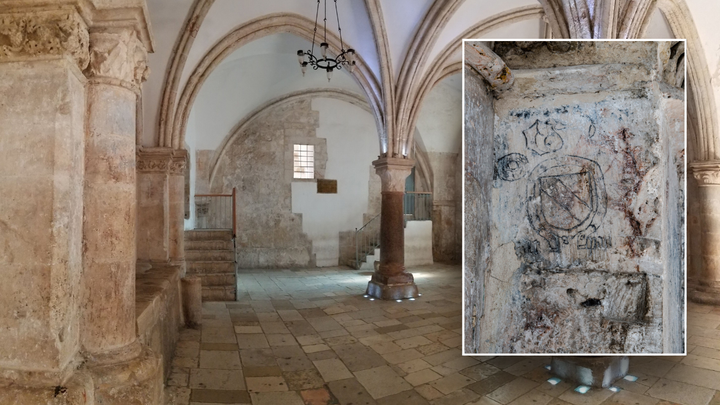
In a remarkable discovery, archaeologists excavating a site in Jerusalem, believed to be the location of the Last Supper, have unearthed strange inscriptions etched into the walls of an ancient room. The findings, reported by Fox News, shed new light on the historical and religious significance of the site, traditionally associated with the biblical event where Jesus shared his final meal with his disciples.
The room, known as the Cenacle or Upper Room, is located on Mount Zion in Jerusalem. Researchers from a joint Israeli-American team found the inscriptions during a recent dig, revealing a mix of Aramaic, Greek, and Latin texts. Some carvings include cryptic symbols, while others appear to reference early Christian rituals or prayers. Experts suggest the inscriptions could date back to the 1st or 2nd century AD, potentially linking them to early Christian communities in Jerusalem.
Dr. Rachel Cohen, a lead archaeologist on the project, noted that the inscriptions are unlike typical graffiti from the period. “These are deliberate, carefully carved messages,” she said. “They may reflect the spiritual or communal activities that took place here, possibly tied to the memory of the Last Supper.” The team is still deciphering the texts, with some speculation that they could offer clues about early Christian worship practices.
The Cenacle has long been a site of pilgrimage, revered by Christians as the setting for the Last Supper and the Pentecost. However, its exact historical use has been debated, with the current structure dating to the medieval period. The newly discovered inscriptions, found in a lower layer of the site, suggest the location held significance even in the earliest centuries of Christianity.
Further analysis, including carbon dating and linguistic studies, is underway to determine the precise age and meaning of the inscriptions. For now, the discovery adds a layer of intrigue to one of Christianity’s most sacred sites, inviting both scholars and believers to reconsider its ancient past.